
Your Friendly Dental Implant Process Guide: What to Expect During Dental Implant Procedures
- randeepdhillonn
- 13 minutes ago
- 4 min read
If you’re thinking about getting dental implants, you might be wondering what the whole process looks like. I get it - it can feel a little overwhelming at first. But don’t worry! I’m here to walk you through the dental implant process guide step-by-step. This way, you’ll know exactly what to expect and feel more comfortable about your journey to a healthier, brighter smile.
Dental implants are a fantastic option for replacing missing teeth. They look natural, feel strong, and can last a lifetime with proper care. Let’s dive in and explore what happens during the dental implant procedure, so you can feel confident and prepared.
Understanding the Dental Implant Process Guide
The dental implant process usually takes several months, but it’s worth the wait. It involves a few key steps, each designed to ensure your implant is secure and your mouth heals well. Here’s a simple breakdown:
Initial Consultation and Exam
Preparation and Planning
Implant Placement Surgery
Healing and Osseointegration
Abutment Placement
Crown Placement
During your first visit, your dentist will examine your mouth, take X-rays, and discuss your medical history. This helps them decide if dental implants are right for you. Sometimes, additional treatments like bone grafts might be needed if your jawbone isn’t strong enough to support an implant.
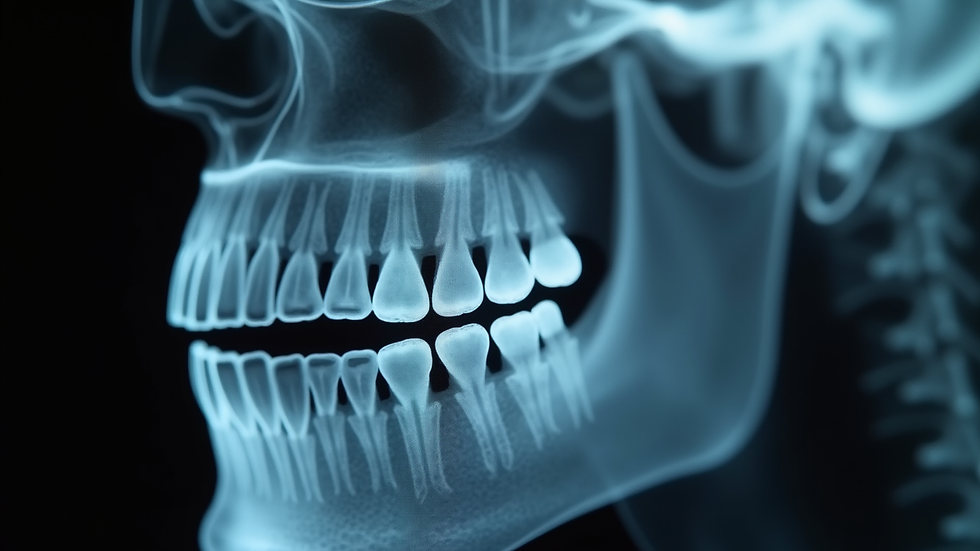
Once everything looks good, your dentist will create a personalized plan. This plan includes the number of implants needed and the timeline for your treatment. Knowing what to expect with dental implants can ease any worries and help you prepare mentally and physically.
What Happens During the Dental Implant Surgery?
The surgery itself is usually done under local anesthesia, so you won’t feel pain during the procedure. You might feel some pressure or movement, but it shouldn’t be uncomfortable. Here’s what typically happens:
Your dentist makes a small cut in your gum to expose the jawbone.
A hole is carefully drilled into the bone where the implant will go.
The titanium implant post is placed into the hole.
The gum is stitched back over the implant to protect it during healing.
This surgery usually takes about 1 to 2 hours per implant. Afterward, you might experience some swelling, mild pain, or bruising. Your dentist will give you instructions on how to manage these symptoms, including pain relief options and foods to avoid.

It’s important to follow your dentist’s advice closely during this time. Rest, avoid smoking, and keep your mouth clean to help your implant heal properly.
What is the 3/2 Rule for Dental Implants?
You might hear about the “3/2 rule” when discussing dental implants. This rule is a helpful guideline for spacing implants properly to ensure stability and support for your new teeth.
The 3 refers to the minimum distance in millimeters between two implants.
The 2 refers to the minimum distance in millimeters between an implant and a natural tooth.
Following this rule helps prevent damage to surrounding teeth and bone, and it ensures your implants have enough room to integrate well. Your dentist will carefully plan implant placement using this rule to give you the best results.
Healing and What to Expect After Your Implant Surgery
After your implant is placed, the healing process begins. This is when your jawbone grows around the implant in a process called osseointegration. It usually takes 3 to 6 months. During this time, the implant becomes firmly anchored in your jaw.
You’ll want to take good care of your mouth during healing:
Eat soft foods like yogurt, mashed potatoes, and soup.
Avoid hard, crunchy, or sticky foods that could irritate the area.
Keep your mouth clean by gently brushing and rinsing with salt water or an antibacterial mouthwash.
Attend all follow-up appointments so your dentist can check your progress.
If you experience any unusual pain, swelling, or signs of infection, contact your dentist right away. Healing is a crucial part of the dental implant process, so patience and care are key.
Final Steps: Abutment and Crown Placement
Once your implant has fully healed and fused with your jawbone, it’s time for the final steps. Your dentist will attach an abutment to the implant. This small connector holds the crown (the artificial tooth) in place.
After the abutment is placed, your dentist will take impressions of your mouth to create a custom crown. The crown is designed to match your natural teeth in color, shape, and size. When it’s ready, the crown is securely attached to the abutment.
This final step restores your smile and your ability to chew and speak comfortably. Your new tooth will look and feel just like a natural one!
Taking Care of Your New Dental Implant
Your dental implant is a long-term investment in your oral health. To keep it looking and functioning well, follow these simple tips:
Brush twice a day and floss daily around your implant.
Visit your dentist regularly for cleanings and checkups.
Avoid chewing on hard objects like ice or pens.
Maintain a healthy diet and avoid tobacco products.
With good care, your implant can last many years, giving you confidence and comfort.
Getting dental implants is a big step, but knowing what to expect can make the process much easier. If you want to learn more about what to expect with dental implants, don’t hesitate to reach out to your dental care provider. They’re there to support you every step of the way.
Your smile is worth it!


Comments