
The Importance of Oral Care: Why Preventive Dental Care Matters
- randeepdhillonn
- Jun 9
- 4 min read
Taking care of your teeth and gums is more than just about having a bright smile. It’s about keeping your whole body healthy and avoiding problems that can cause pain, discomfort, and expensive treatments later on. I want to share with you why preventive dental care is so important and how it can make a big difference in your life.
Why the Importance of Oral Care Should Never Be Overlooked
Oral care is often something people think about only when there’s a problem. But the truth is, keeping your mouth healthy every day helps prevent those problems from ever starting. When you take care of your teeth and gums, you reduce the risk of cavities, gum disease, and even more serious health issues like heart disease and diabetes.
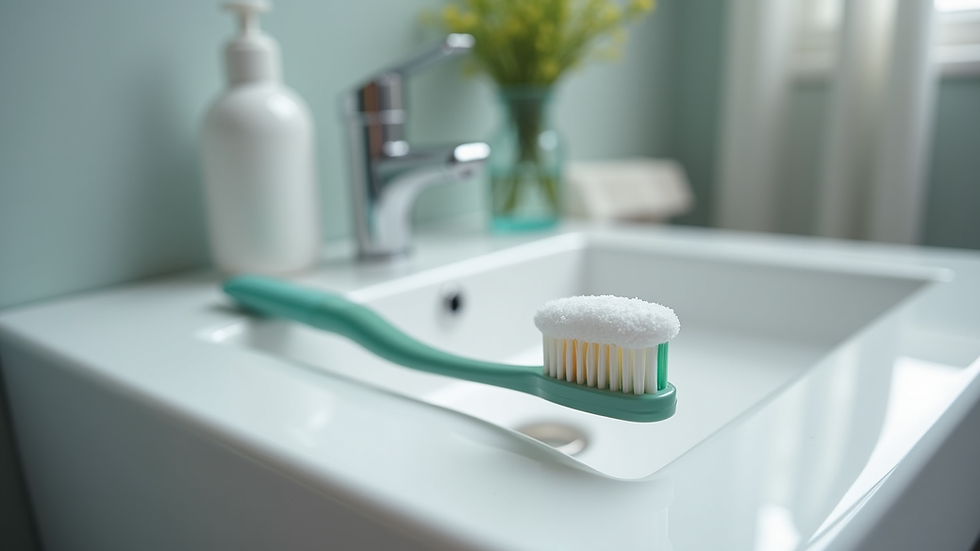
Good oral care means brushing twice a day, flossing daily, and visiting your dentist regularly. These simple habits protect your teeth and gums from damage. They also help you avoid pain and costly dental work. Plus, a healthy mouth boosts your confidence and lets you enjoy your favorite foods without worry.
What is Preventive Dental Care and Why It’s Essential
You might wonder, what is preventive dental care exactly? It’s all about stopping dental problems before they start. Preventive care includes regular checkups, cleanings, fluoride treatments, and sealants. These services help catch issues early or prevent them altogether.
For example, during a dental cleaning, plaque and tartar that you can’t remove at home are taken away. This keeps your gums healthy and stops cavities from forming. Fluoride treatments strengthen your teeth, making them more resistant to decay. Sealants protect the chewing surfaces of your back teeth, where cavities often begin.
By focusing on prevention, you save yourself from pain, discomfort, and expensive repairs. It’s a smart way to keep your smile healthy for life.
What is the Difference Between Preventive and Basic Dental Services?
It’s helpful to understand how preventive dental care differs from basic dental services. Preventive care is all about keeping your teeth healthy and avoiding problems. Basic dental services, on the other hand, usually involve treating issues once they have appeared.
Preventive services include:
Regular dental exams and cleanings
Fluoride treatments
Dental sealants
Patient education on oral hygiene
Basic dental services include:
Fillings for cavities
Root canals
Tooth extractions
Treatment for gum disease
The key difference is that preventive care focuses on stopping problems before they start, while basic services fix problems after they happen. By investing in preventive care, you reduce the need for more invasive and costly treatments later.

How to Make Preventive Dental Care Part of Your Routine
Making preventive dental care a regular part of your life is easier than you might think. Here are some simple steps you can take every day:
Brush your teeth twice a day with fluoride toothpaste. Use gentle, circular motions and don’t forget your tongue.
Floss daily to remove plaque and food particles between your teeth.
Limit sugary snacks and drinks that can cause cavities.
Drink plenty of water to help wash away food and bacteria.
Visit your dentist regularly for checkups and cleanings, usually every six months.
These habits protect your teeth and gums and help your dentist spot any issues early. If you have children, teaching them these habits early sets them up for a lifetime of good oral health.
The Long-Term Benefits of Preventive Dental Care
When you commit to preventive dental care, you’re investing in your future health. Healthy teeth and gums mean fewer dental emergencies, less pain, and lower dental bills. But the benefits go beyond your mouth.
Good oral health is linked to overall well-being. Studies show that gum disease can increase the risk of heart disease, stroke, and diabetes. By preventing gum disease, you’re also protecting your heart and other organs.
Preventive care also helps maintain your natural teeth longer. Keeping your own teeth means you can eat a wide variety of foods, speak clearly, and smile confidently. It’s about quality of life as much as it is about health.
Building a Relationship with Your Dentist for Better Care
One of the best parts of preventive dental care is the relationship you build with your dentist. When you visit regularly, your dentist gets to know your unique needs and can tailor care just for you. This personalized approach helps catch problems early and keeps your smile in great shape.
Don’t hesitate to ask questions or share concerns during your visits. Your dentist is there to help you understand your oral health and guide you in making the best choices. Together, you can create a plan that fits your lifestyle and keeps your teeth healthy for years to come.
Taking the First Step Toward a Healthier Smile
If you haven’t been to the dentist in a while or want to improve your oral care routine, now is the perfect time to start. Remember, preventive dental care is about more than just your teeth - it’s about your overall health and happiness.
By brushing, flossing, eating well, and visiting your dentist regularly, you’re giving yourself the best chance at a healthy, pain-free smile. It’s never too late to make these positive changes. Your future self will thank you!

Taking care of your oral health is a simple but powerful way to improve your life. Start today, and enjoy the benefits of a strong, healthy smile for years to come.


Comments